ANIMAL FACTS
Why Do Sea Turtles Return to the Beach Where They Were Born?
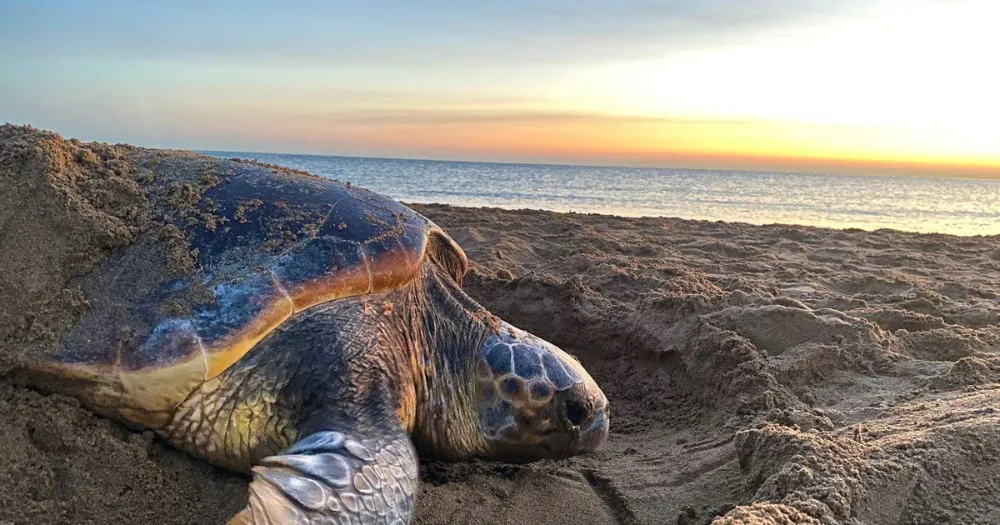
Why do sea turtles return to their birth beaches? Discover how Earth's magnetic field helps guide them home to nest after decades at sea.
Read the story →From remarkable senses to unexpected survival strategies, explore what animals do, how their bodies work and why the science matters.
Follow a question into the right kind of science. Each section opens an existing collection of guides.
Explore the latest articles on surprising biology, behavior and how the natural world works.
Why do sea turtles return to their birth beaches? Discover how Earth's magnetic field helps guide them home to nest after decades at sea.
Read the story →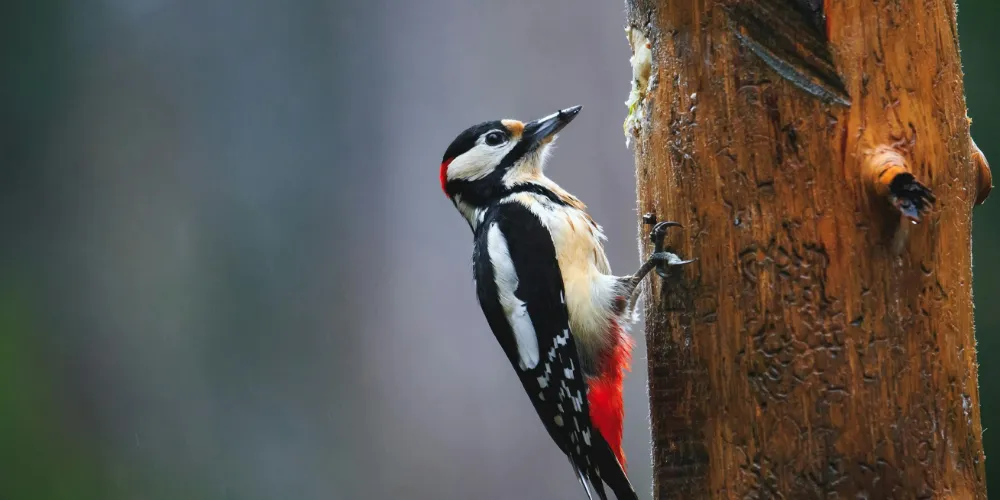
Why do woodpeckers peck trees? Discover how they find insects, build nests, communicate by drumming, and withstand repeated impacts.
Read the story →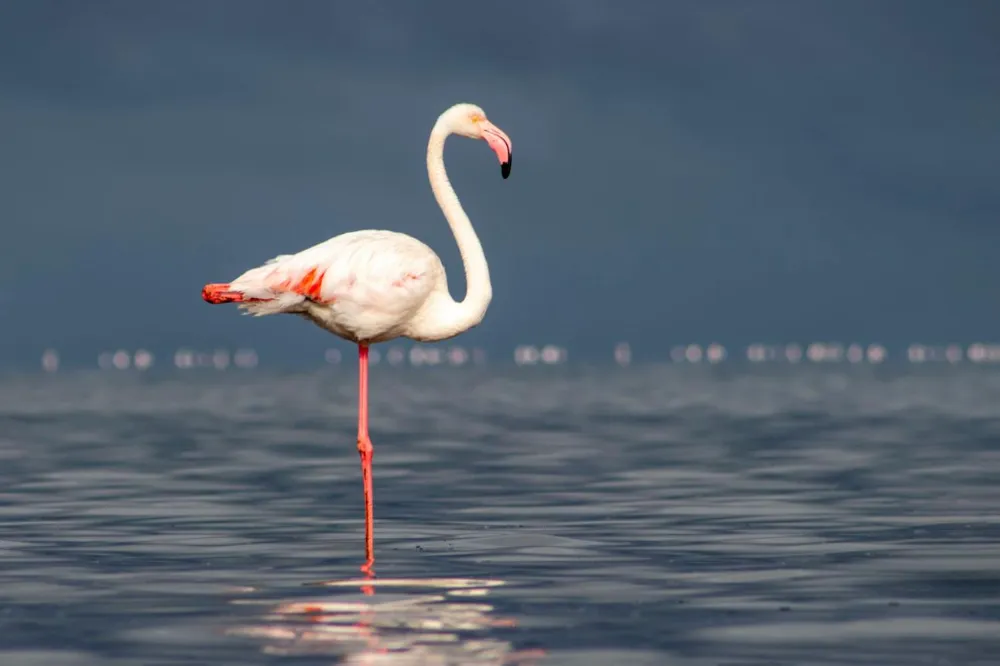
Why do flamingos stand on one leg? Discover how the posture saves heat, reduces muscle effort, and lets flamingos balance while sleeping.
Read the story →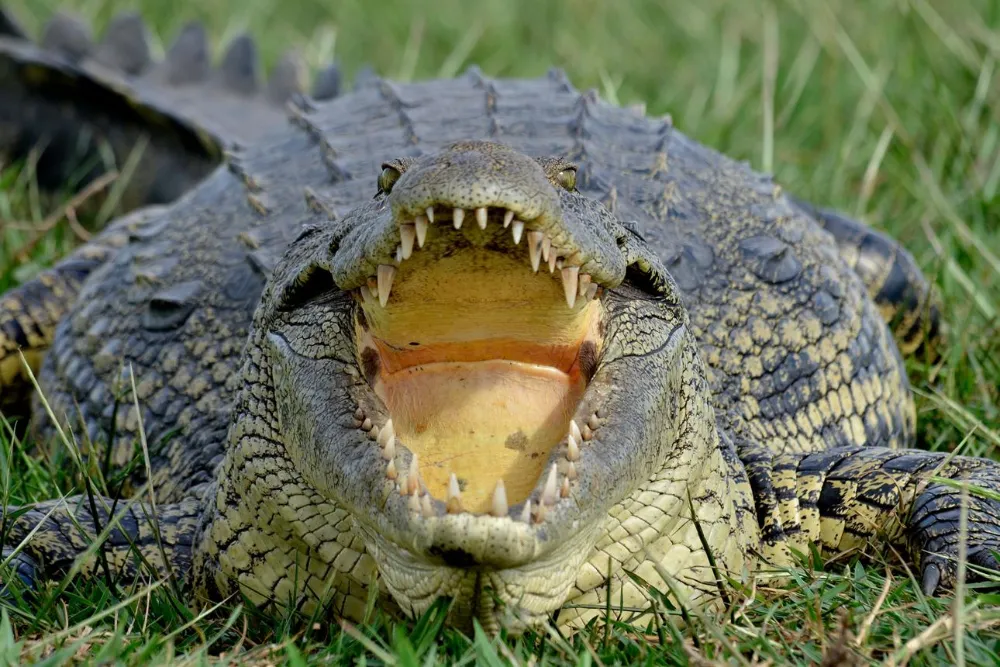
Do crocodiles have tongues? Learn why they cannot stick them out, how their throat valves keep water away, and why some crocodiles have salt glands.
Read the story →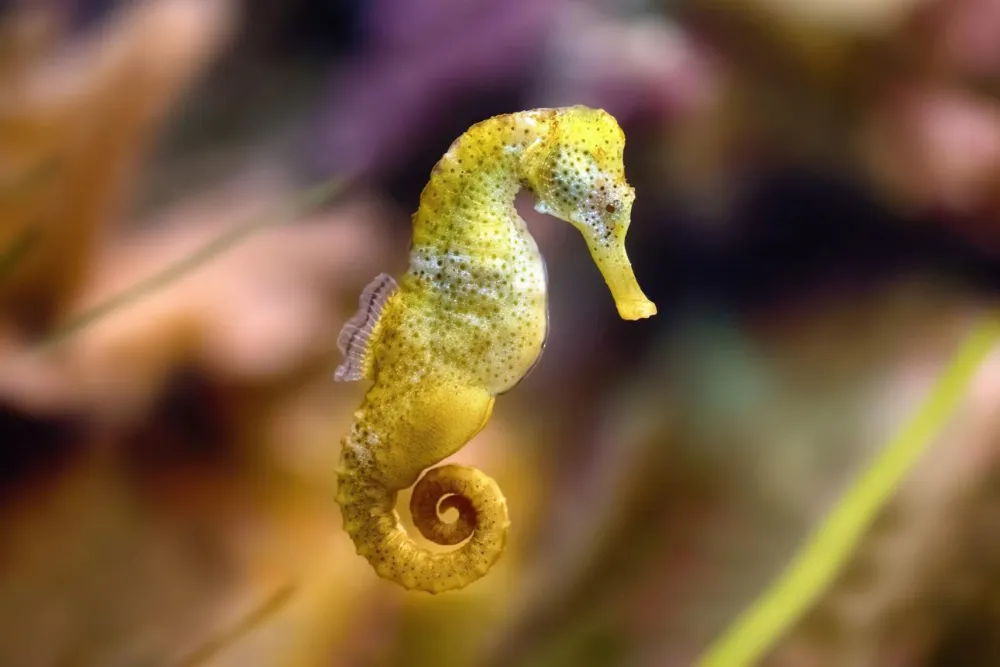
Do seahorses have stomachs? Learn how seahorses digest food without a true stomach, why they eat so often, and what their unusual digestive systems do.
Read the story →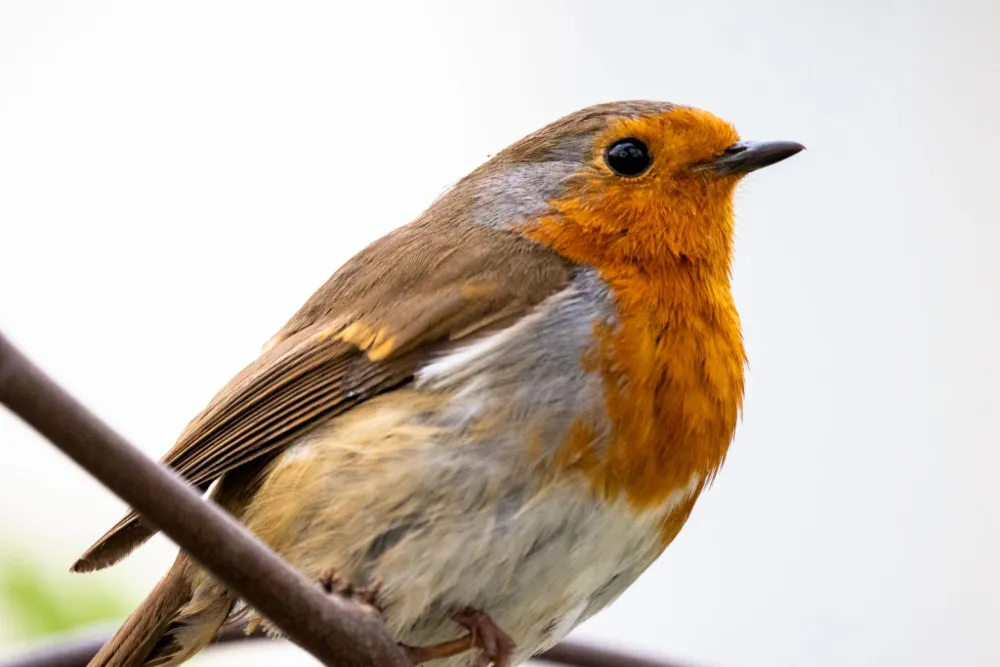
Do birds have ears? Discover where bird ears are hidden, how birds hear without external ear flaps, and why owl hearing is so remarkable.
Read the story →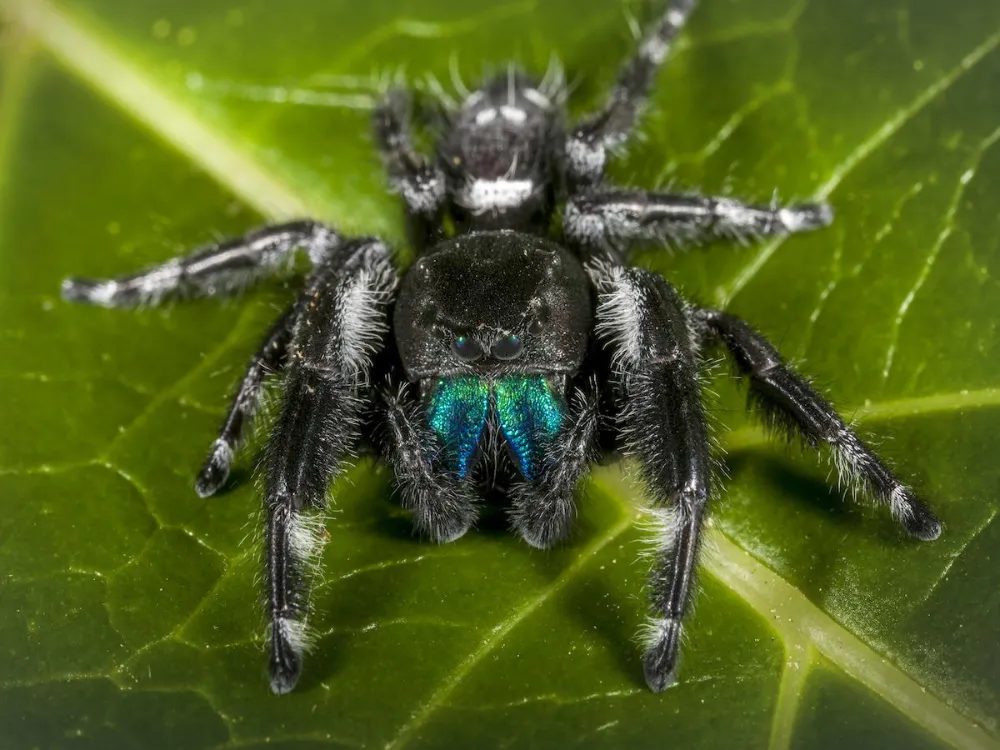
Do spiders have blood? Learn why spider hemolymph can look blue, how their hearts and open circulatory systems work, and how blood helps move their legs.
Read the story →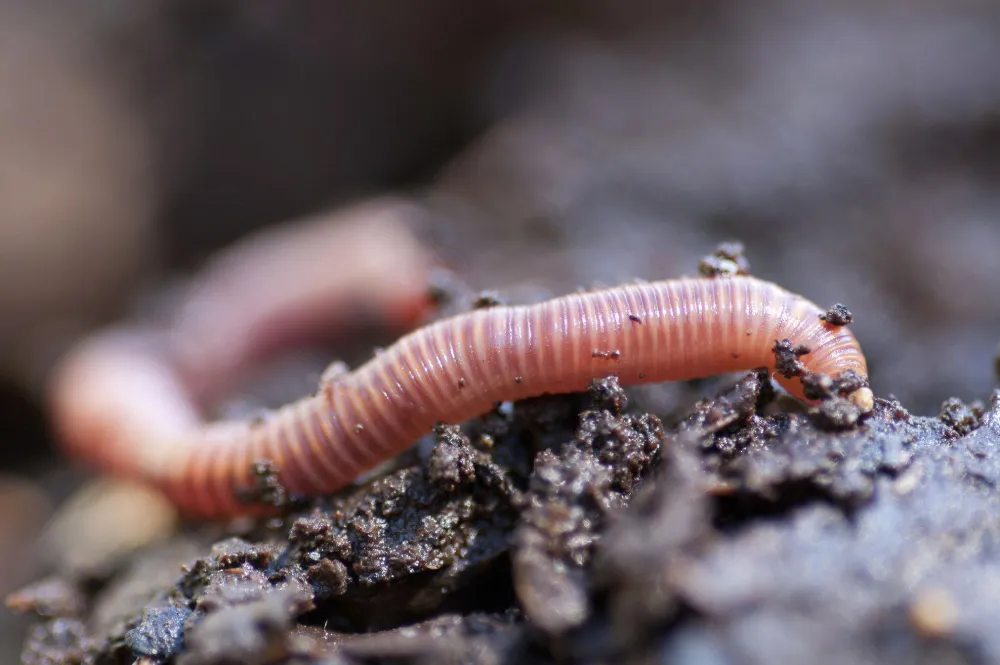
Do earthworms have eyes? Learn how worms detect light through their skin, why they avoid sunlight, and how they navigate underground without seeing.
Read the story →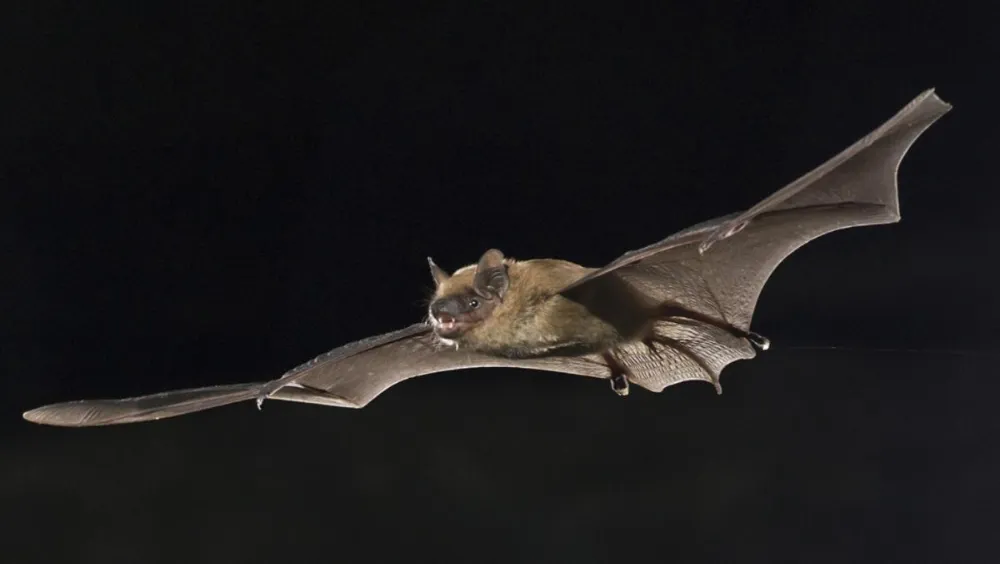
Do bats have tails? Learn why some bat tails are hidden in a flight membrane, which bats have free tails, and how tails help bats fly and hunt.
Read the story →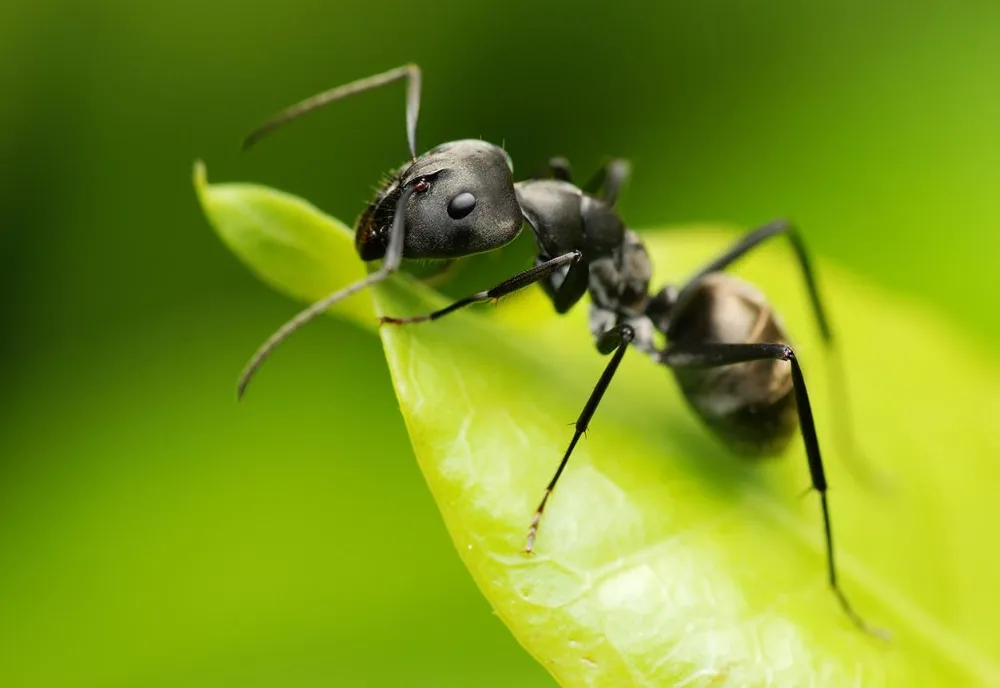
Do ants have lungs? Learn how ants breathe through spiracles and tracheal tubes, why they don't breathe through their mouths, and whether ants can drown.
Read the story →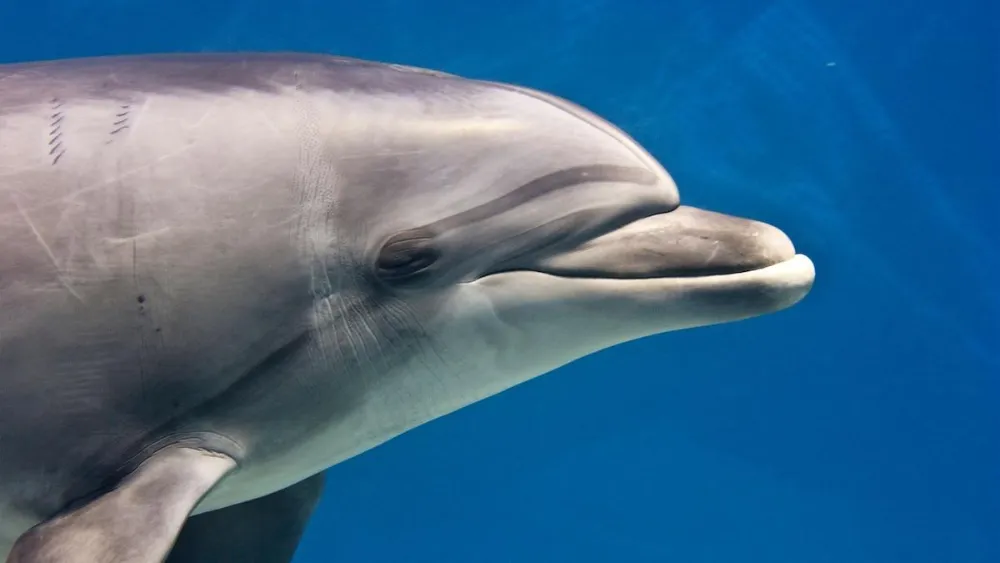
Do dolphins have hair? Discover why newborn dolphins have whiskers, how their skin stays smooth, and what their whisker pits can sense.
Read the story →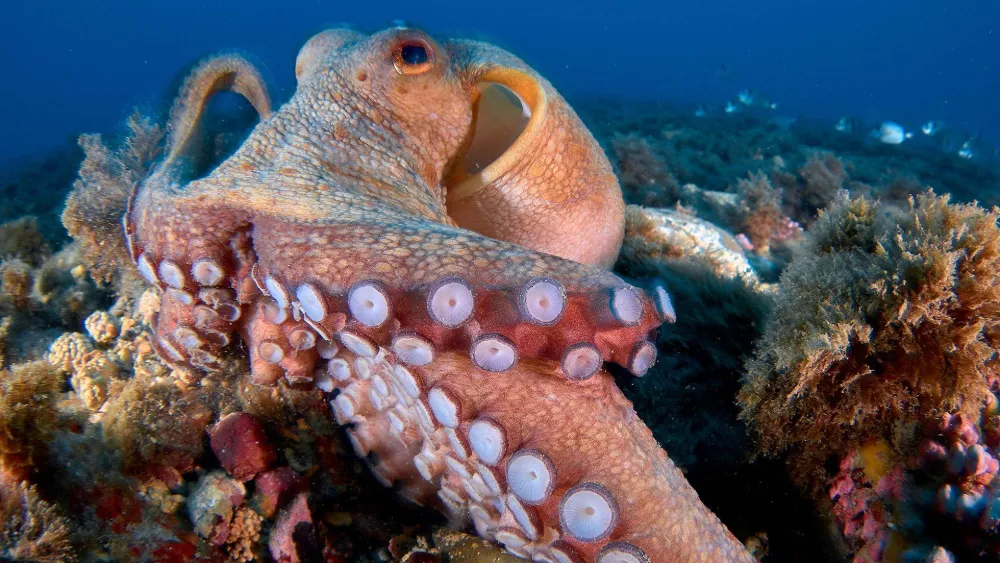
Do octopuses have bones? Learn how their boneless arms work, why they have hard beaks, and how they squeeze through incredibly small spaces.
Read the story →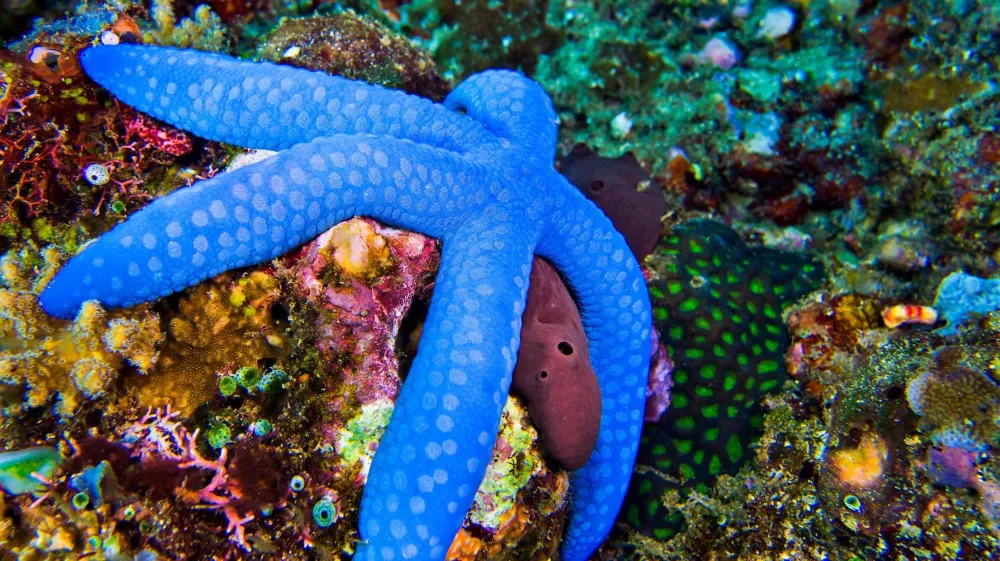
Do starfish have eyes? Discover where their eyes are located, how many eyes they have, what they can see, and how they navigate without a brain.
Read the story →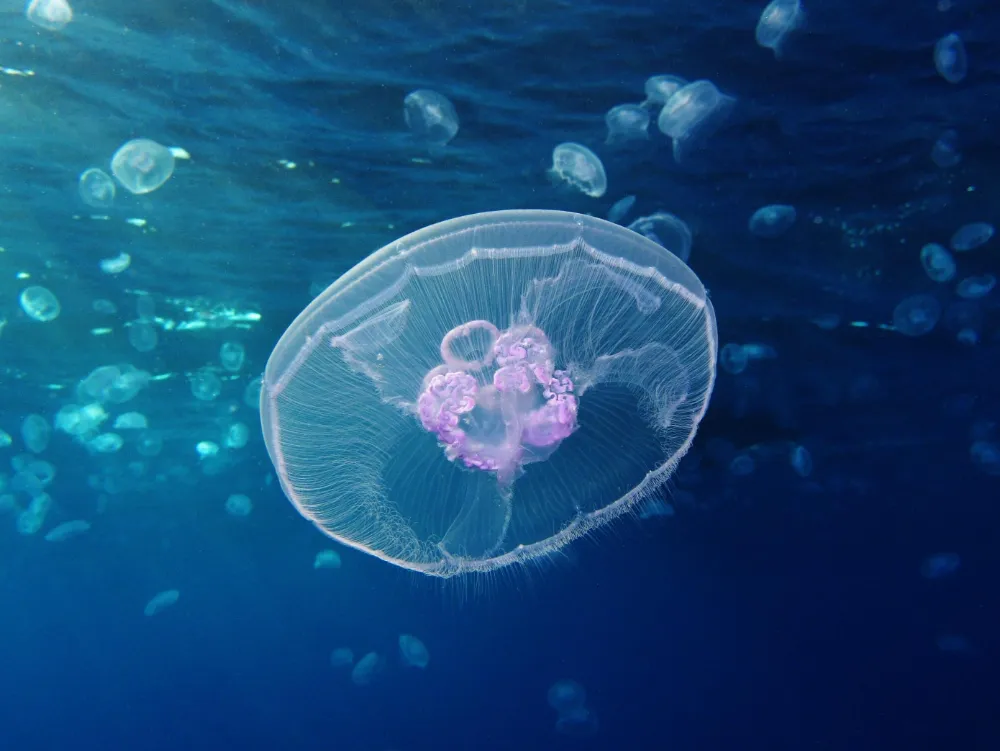
No, jellyfish do not have brains, but they do have nervous systems. Instead of a centralized brain like those found in humans, fish, and many other animals, jellyfish possess networks of nerve cells distributed throughout their bo···
Read the story →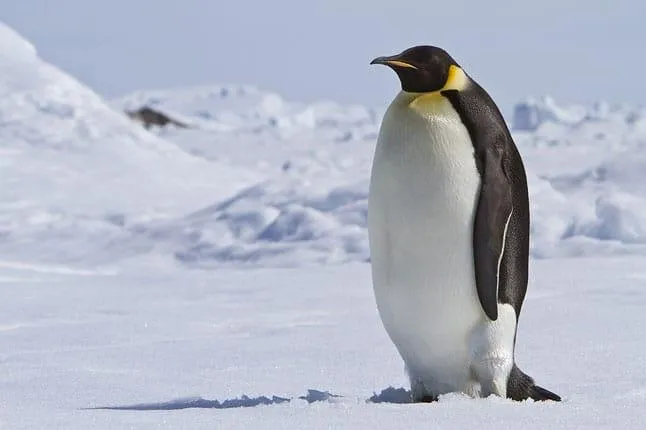
Yes, penguins have knees, even though you cannot normally see them. Like other birds, penguins have thighbones, knee joints, lower-leg bones, ankles, and feet. Their knees are positioned high on their bodies and are hidden beneath···
Read the story →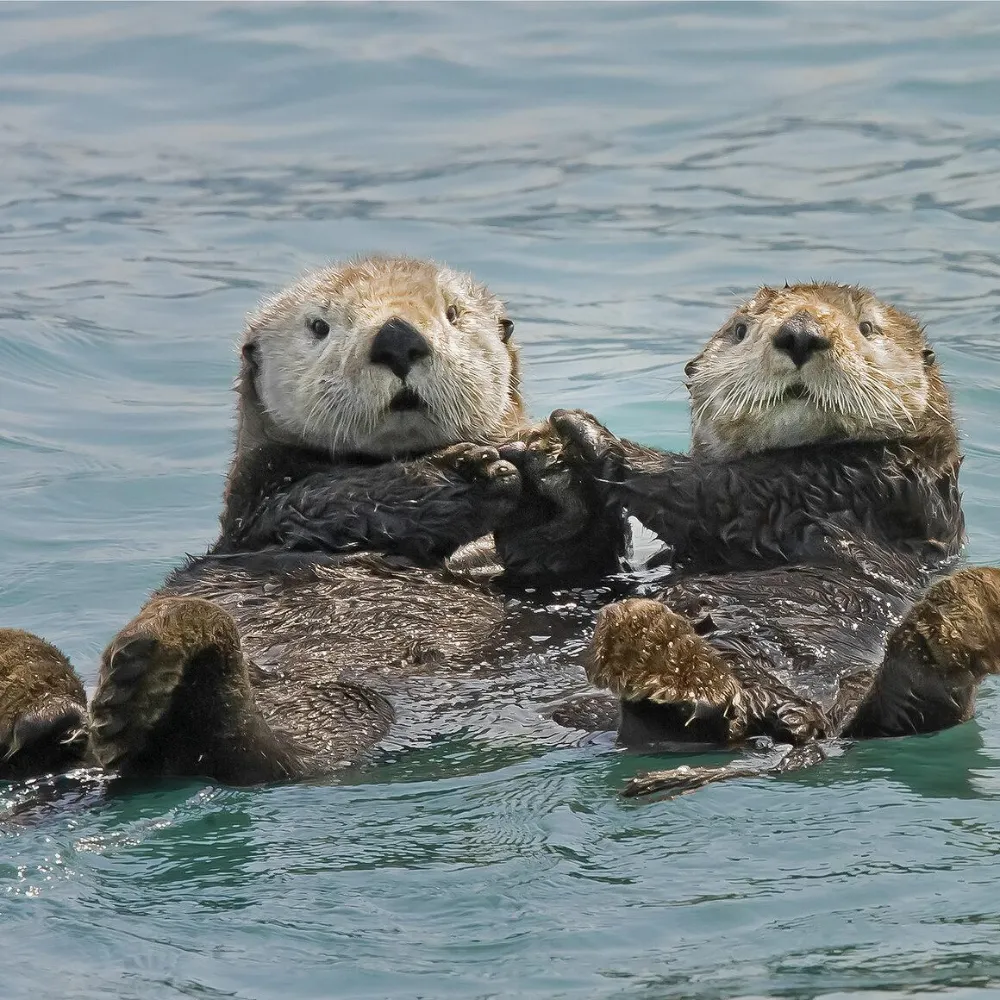
Sea otters sometimes hold hands, or more accurately paws, while resting on the ocean surface to help prevent themselves from drifting apart. However, this behavior is much less common in the wild than popular photographs and video···
Read the story →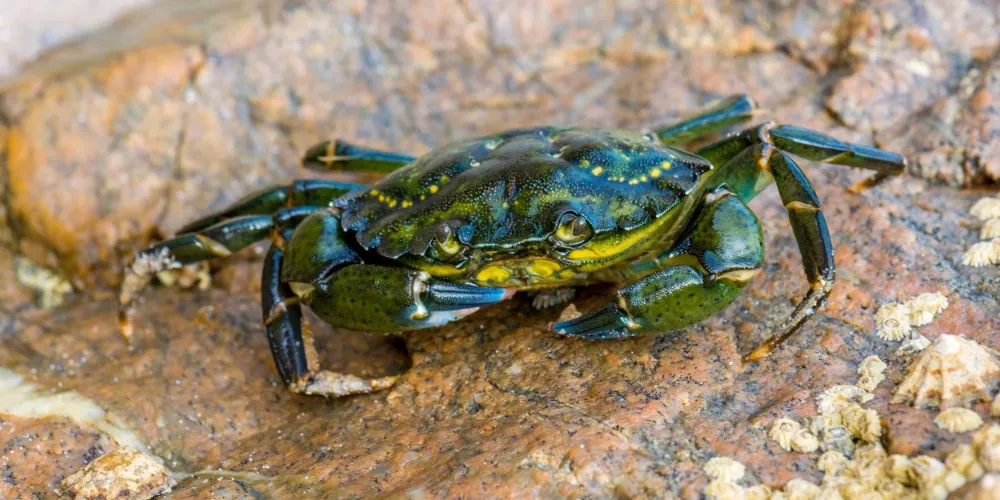
Yes, some crabs can breathe out of water, but their survival depends on the species and environmental conditions. Most aquatic crabs breathe through gills that absorb dissolved oxygen from water. Many shore crabs can also obtain o···
Read the story →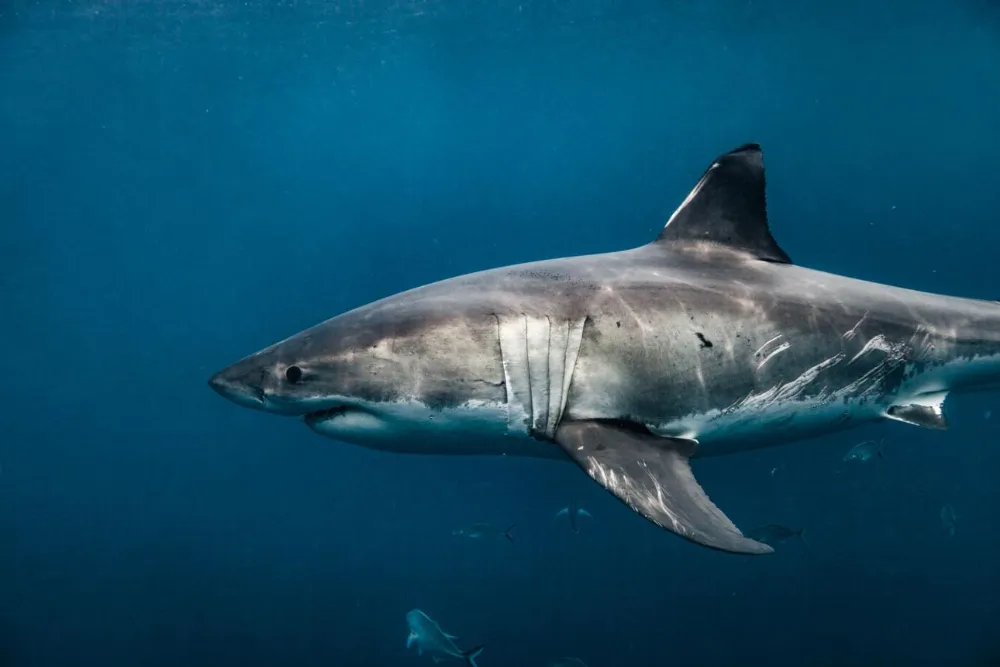
Do sharks have bones? Learn why shark skeletons are made of cartilage, whether sharks have backbones and ribs, and how shark fossils form.
Read the story →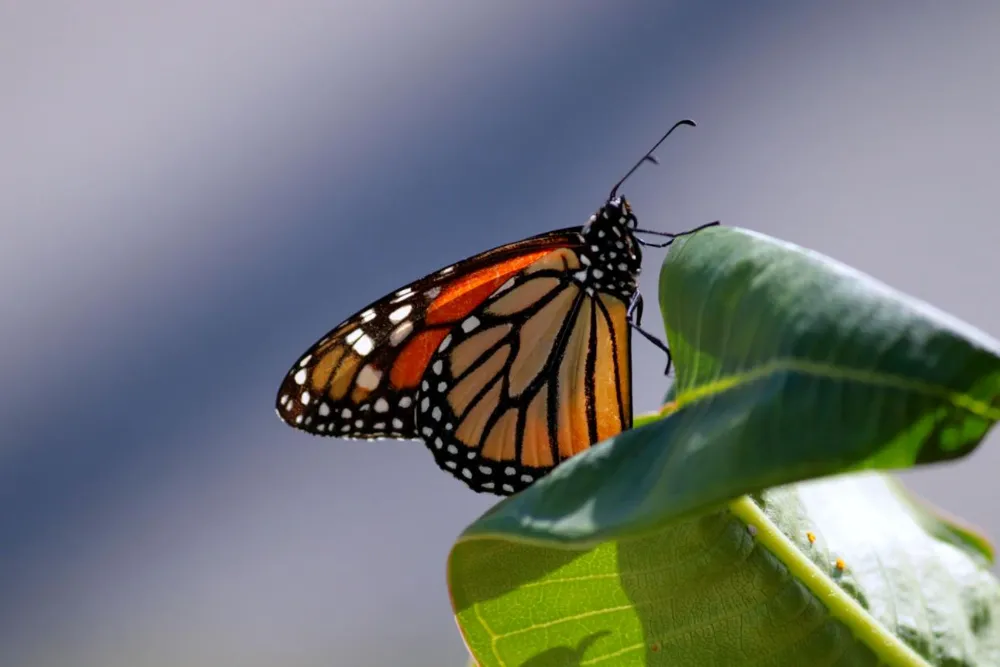
Do butterflies sleep at night? Discover where butterflies rest, how they sleep with their eyes open, and why some butterflies roost in groups.
Read the story →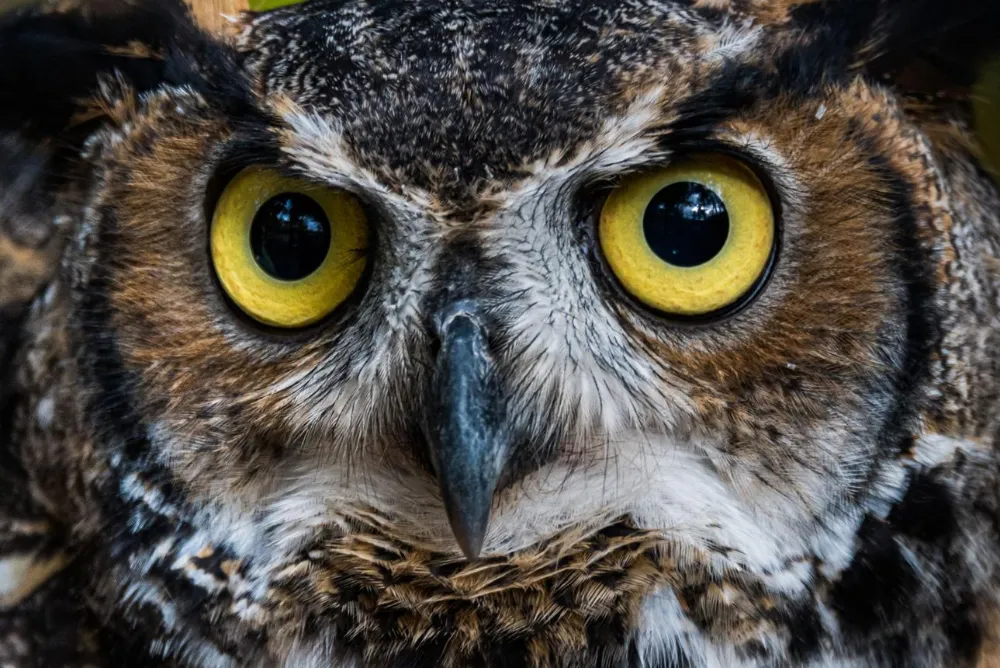
Can owls move their eyes? Discover why owl eyes are fixed, how far owls turn their heads, and how their unusual eyes help them hunt at night.
Read the story →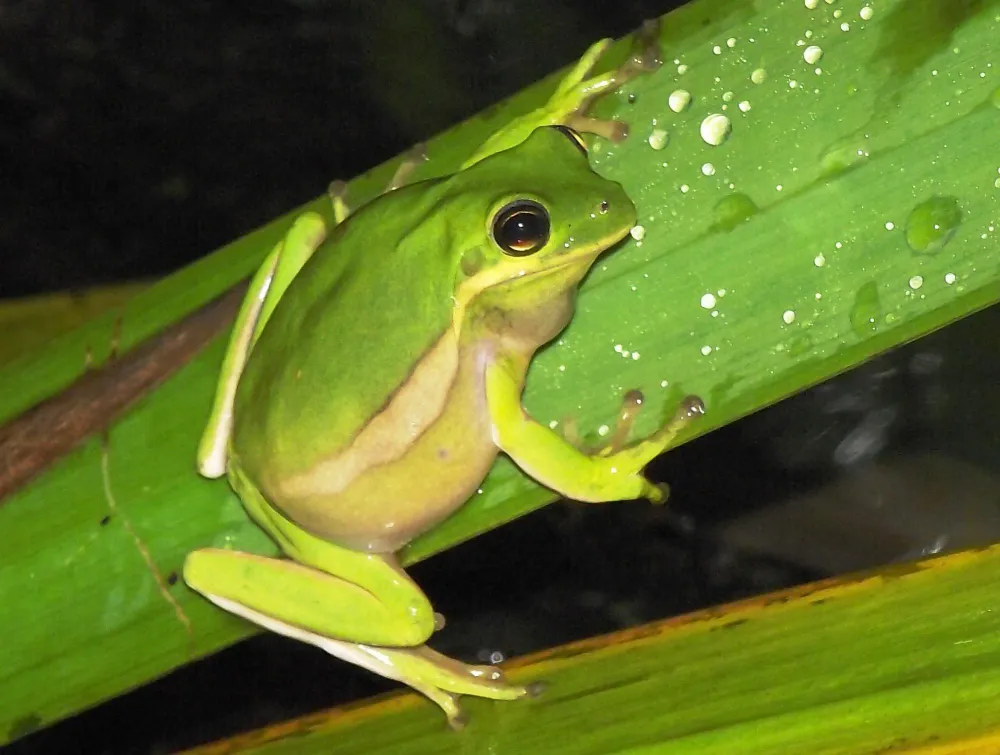
Do frogs drink water through their mouths? Discover how frogs absorb water through their skin, what the drinking patch does, and how they stay hydrated.
Read the story →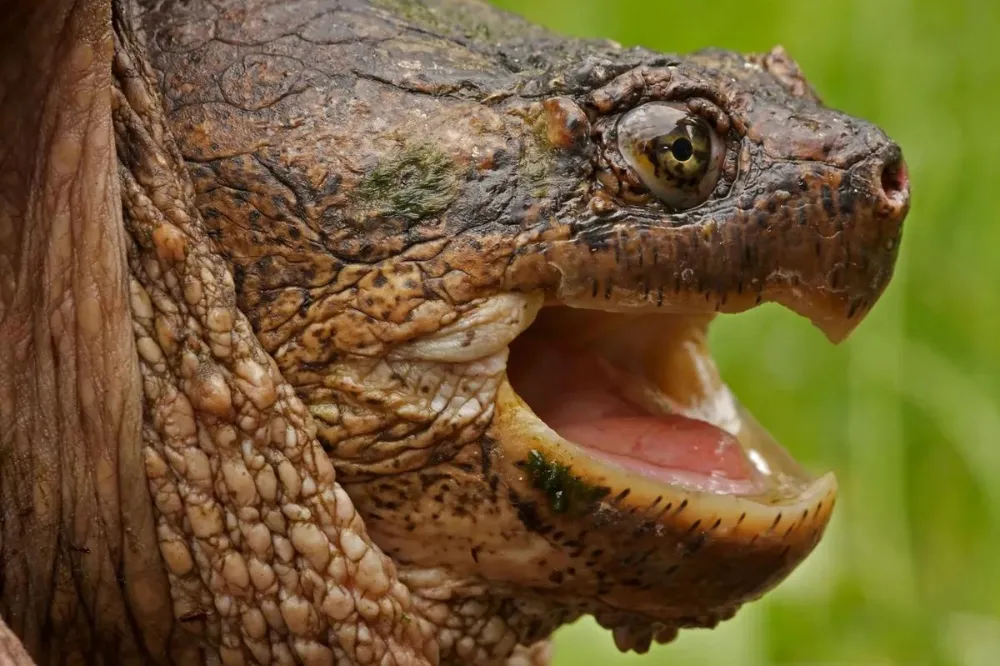
Do turtles have teeth? Discover how turtles bite, eat, and crush food with their beaks, plus why baby turtles have a temporary egg tooth.
Read the story →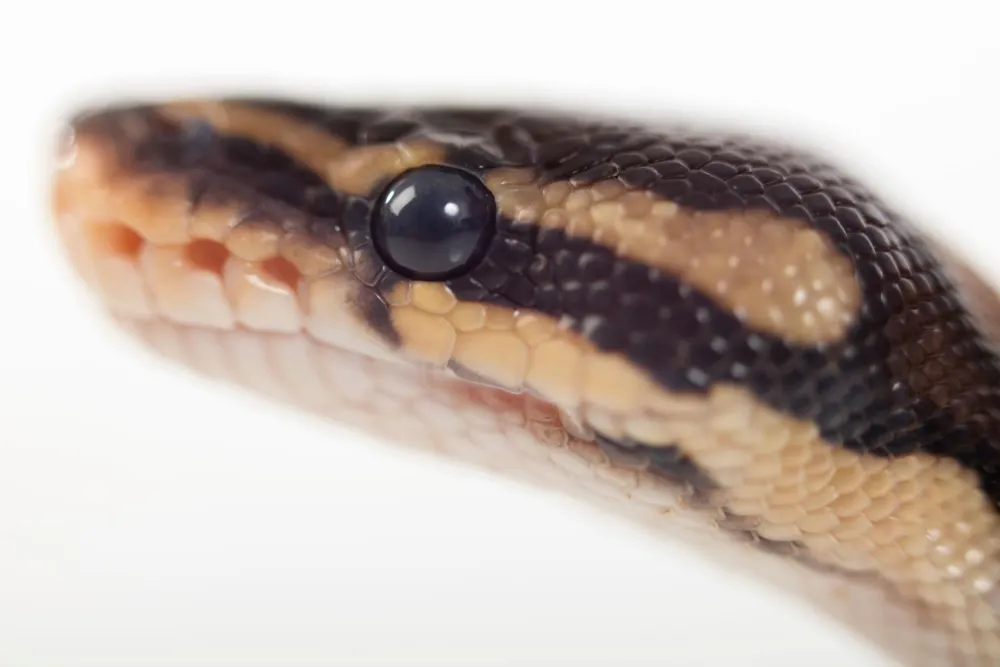
Can snakes blink or close their eyes? Learn why snakes have no eyelids, how their eye caps work, and how snakes sleep and shed their skin.
Read the story →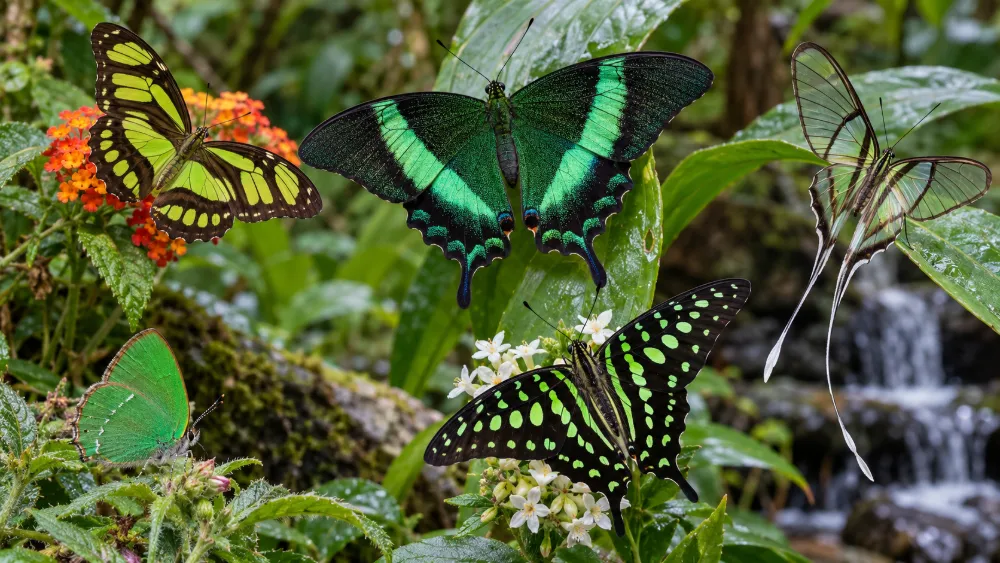
See a green butterfly? Identify green hairstreaks, malachites, emerald swallowtails, tailed jays and other green butterflies by pattern, size and location.
Read the story →Explore side-by-side animal comparisons or find more detailed science explanations.